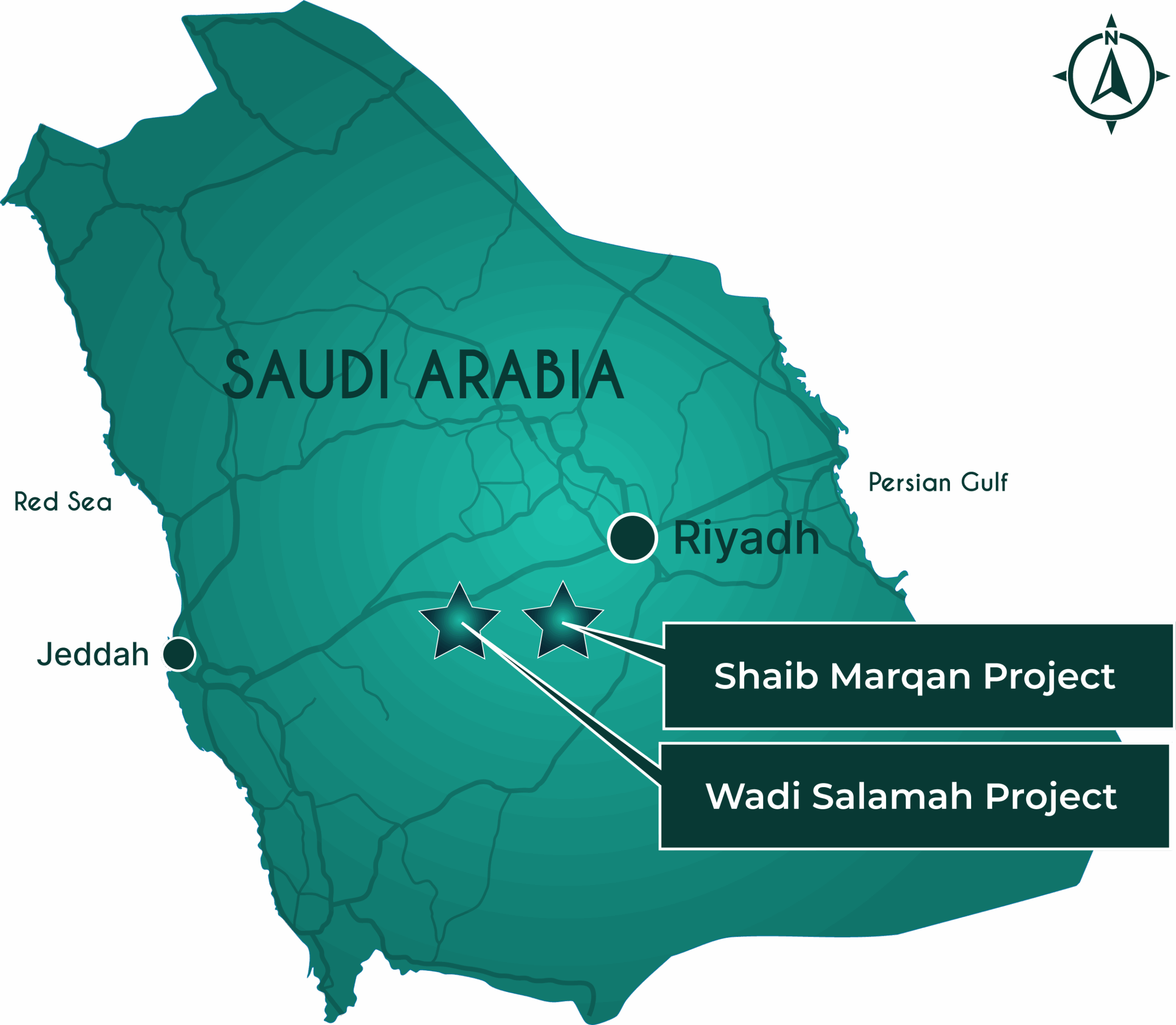
SAUDI PROJECTS
Saudi Arabian Projects Overview
Geological Setting
Both projects occur in the Proterozoic Arabian-Nubian Shield (“ANS”) which extends across much of Saudi Arabia and eastern Egypt and Eritrea and hosts significant mineral deposits.
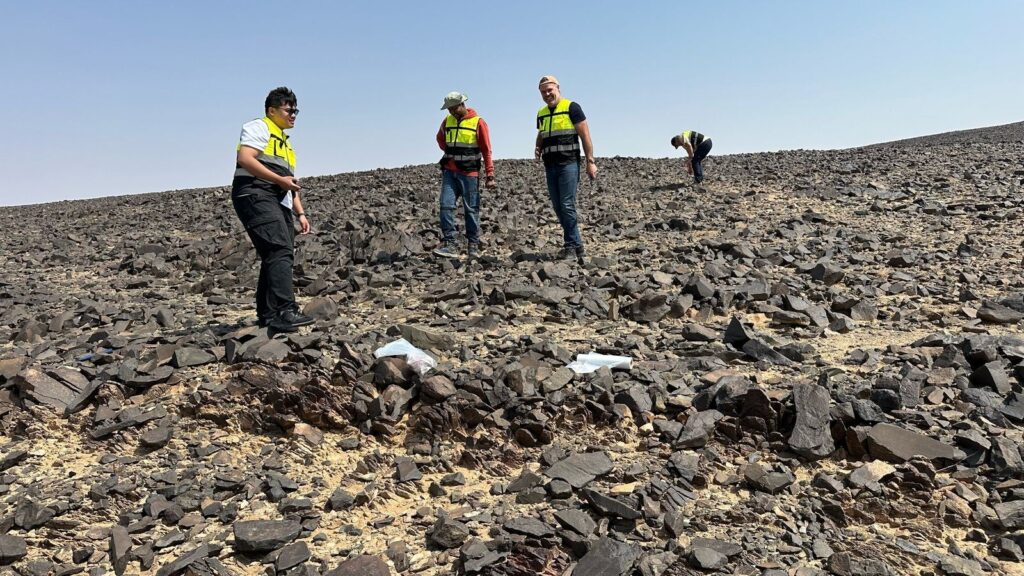
The Shaib Marqan Project is in the southern section of the Ar Rayn Terrane. The project area is dominated by Proterozoic age volcanic rocks including syn- to post-tectonic tonalite, diorite, trondhjemite, and gabbro intrude arc-related ignimbrite, rhyolite tuff, marble, and andesite of the Shalahib Formation of the Al Amar Group. Quaternary alluvial terraces and gravel sheets form wadis that partially cover the south-eastern project area.
The Ar Rayn Terrane hosts multiple mineral systems and mineral commodities, including volcanogenic massive sulphide (“VMS”)-hosted copper and zinc, epithermal and orogenic gold, and iron oxide copper/gold (“IOCG”) deposits.
The project is near the major northwest striking Al Amar fault zone which bounds the Ar Rayn Terrane. A significant north-south striking splay of the Al Amar fault bisects the Shaib Marqan project area with multiple subordinate northeast and east west structures in a structurally complex area.
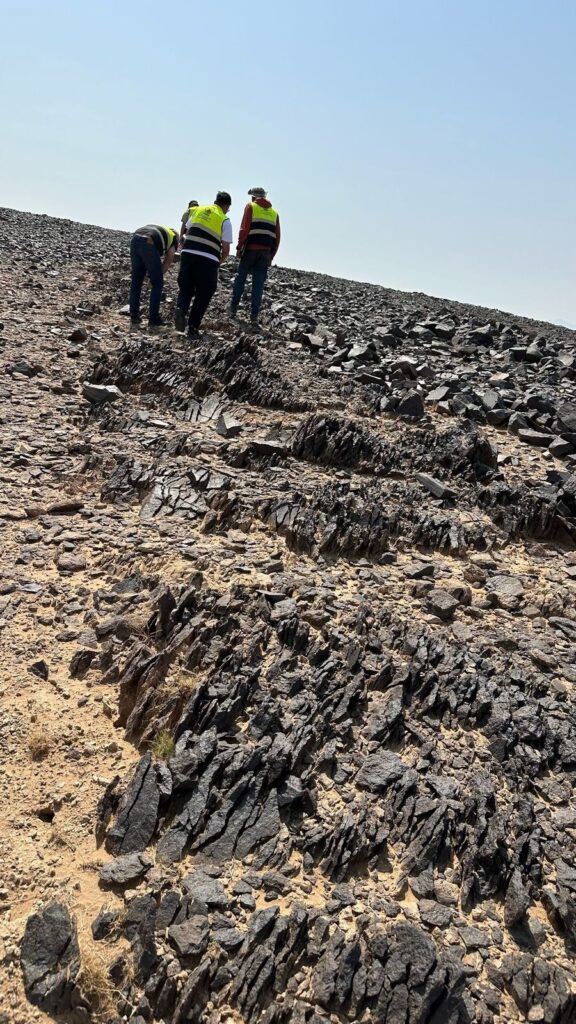
Wadi Salamah occurs within Murdama group rocks of the Zaydi formation, a thick accumulation (10,000 m inferred) of essentially elastic sediments with minor volcanic and subvolcanic intercalations and very subordinate calc-dolomitic lenses.
The Murdama group are folded and intruded by hypabyssal and plutonic rocks ranging from microgranite to gabbro.
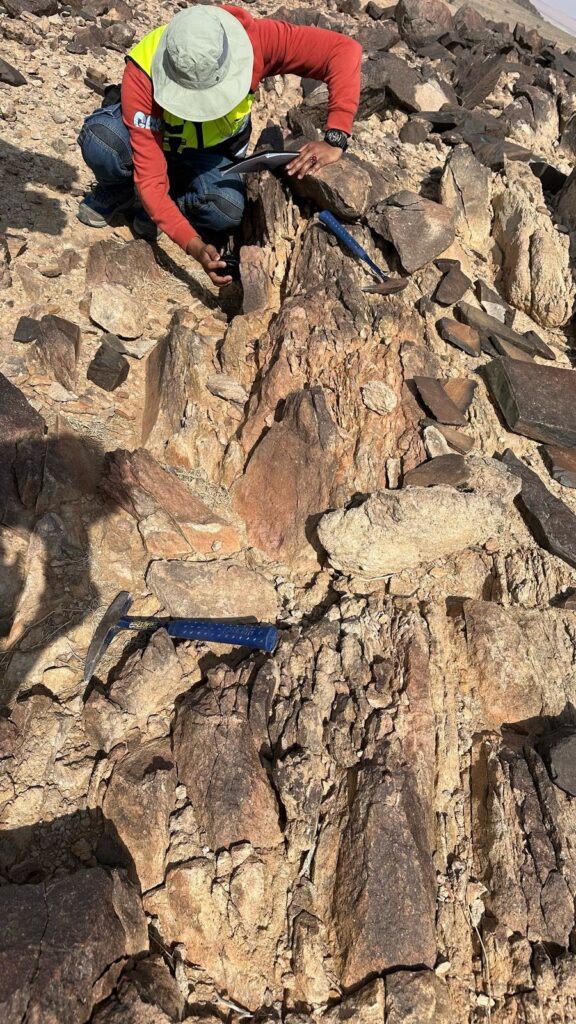
Historic mineralisation has been identified in shear hosted auriferous veins and stockworks often with a silver association and mined in ancient small artisanal scale mines.
No known modern exploration has occurred in either project area.